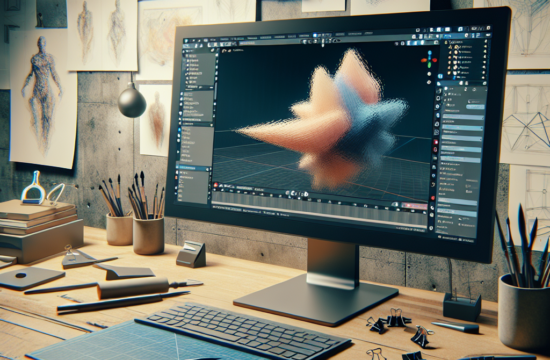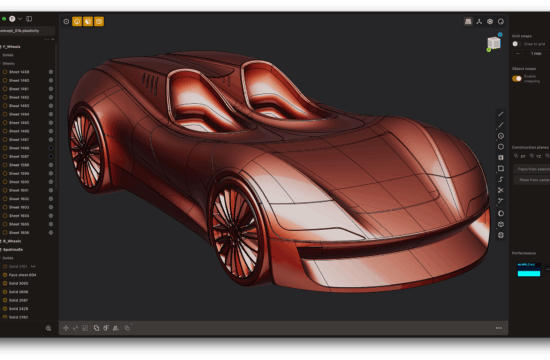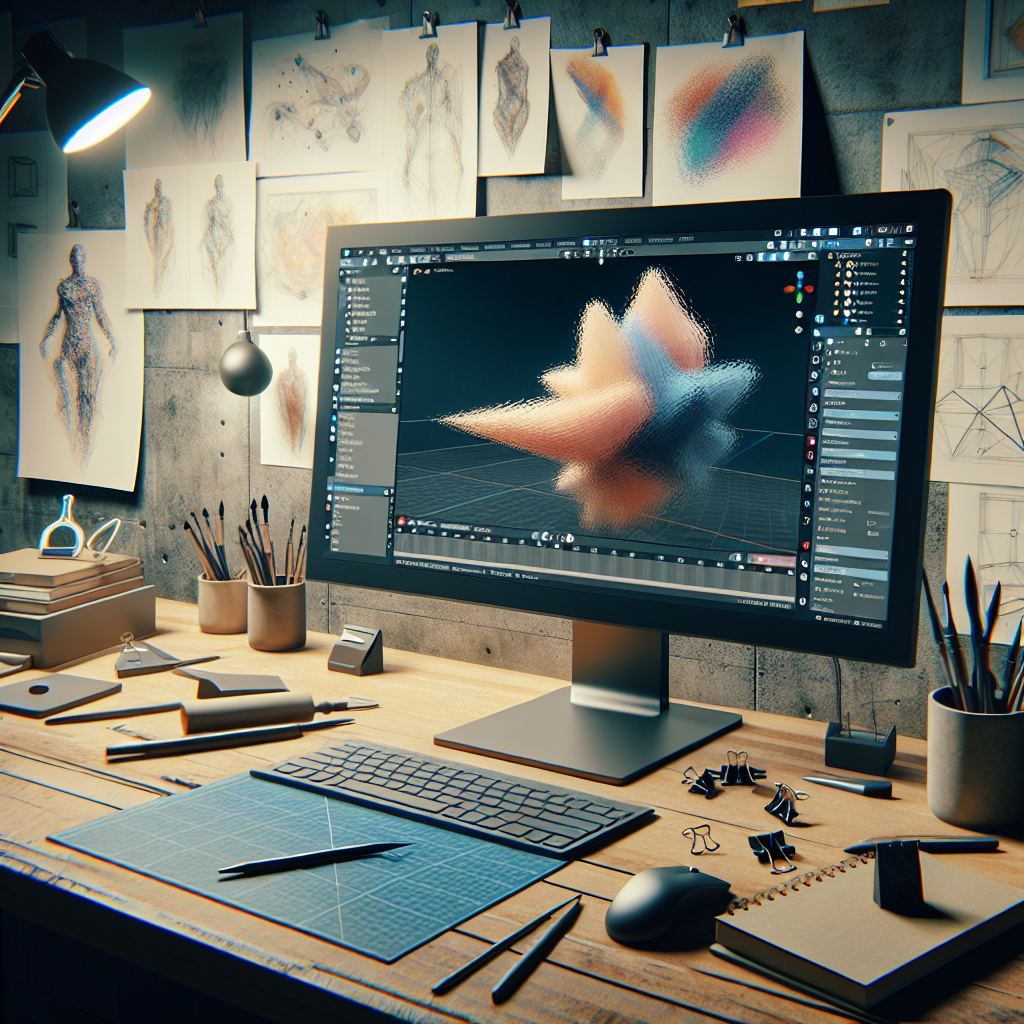
Blender’s open-source 3D creation suite is once again pushing the boundaries. With the introduction of the 3D Gaussian Splatting technique, artists can achieve more remarkable and lifelike visuals using this new feature. This technological leap is setting the stage for a whole new realm of creativity for digital artists, animators, and visual effects creators. Let’s dive into the potential of 3D Gaussian Splatting in Blender, how it works, and why it matters.
What is 3D Gaussian Splatting?
3D Gaussian Splatting, in simple terms, is an advanced rendering technique that utilizes **math-based rendering algorithms** to create soft, blended points in 3D space. These points, or “gaussians,” help simulate organic forms, smooth lighting transitions, and natural falloff effects on surfaces.
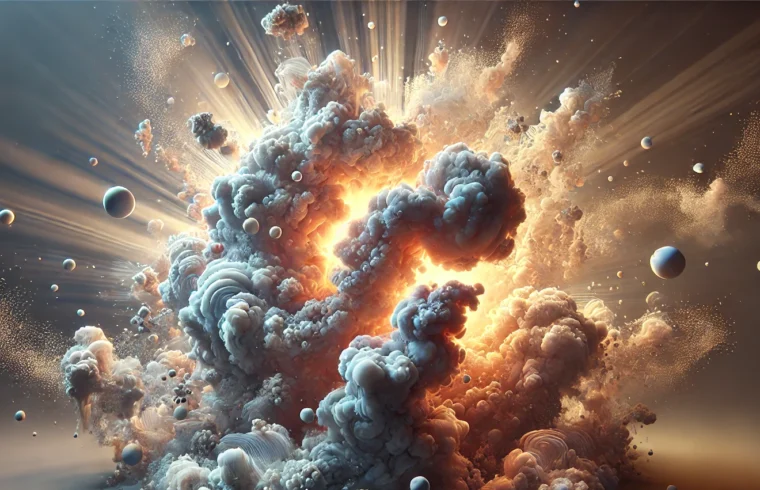
When applied to complex 3D models, Gaussian Splatting creates a high-quality but computationally efficient way to render smooth, detailed images. It’s especially beneficial when rendering features like **fog**, **subtle light scattering**, and **textures with intricate gradients**. Thanks to its precise handling of soft textures and smooth light transitions, artists can now depict things like **realistic clouds**, **smoke**, and **complex surfaces** with very little computation cost.
How Does 3D Gaussian Splatting Work in Blender?
This technique uses Gaussian functions that define how light interacts with the surface points in a 3D scene. When combined, these splats form the final image. Unlike traditional ray tracing or rasterization, Gaussian Splatting places less emphasis on drawing edges and instead focuses on capturing the **subtle light and shadow details** that might otherwise be lost.
Key Features of 3D Gaussian Splatting:
- Efficient Soft Shading: Gaussian Splatting excels at depicting smooth transitions between light and shadow.
- Photorealistic Visuals: Artists can achieve highly realistic results with less computational effort than traditional rendering methods.
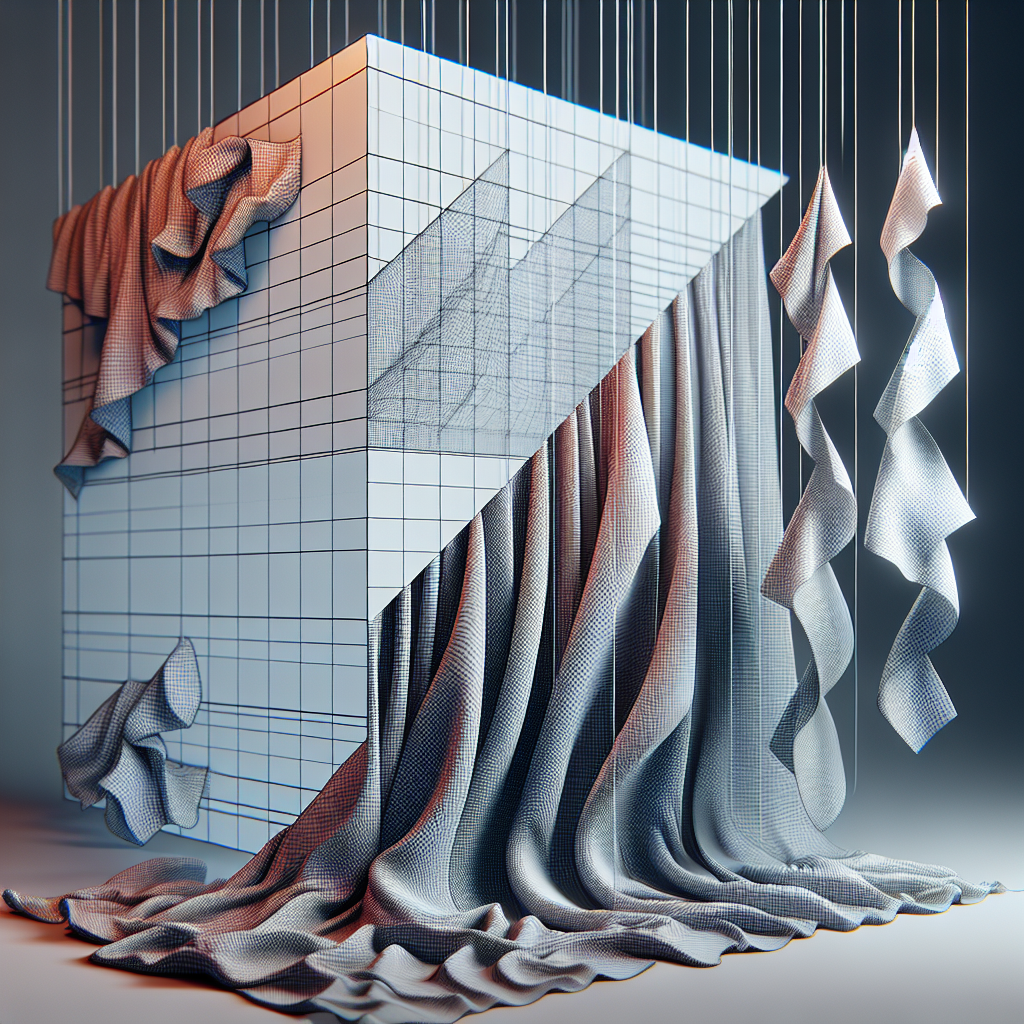
- Ideal for Complex Materials: Materials like **cloud**, **fog**, **cloth**, and **smoke** look far more natural with this technique.
- Works on Low-Polygon Models: Achieve detailed visuals, even on low-polygon models, without sacrificing quality.
Why Gaussian Splatting is Exciting for Blender Artists
The release of 3D Gaussian Splatting in Blender opens new doors for artists and animators. Some of the key benefits this technique brings to the table include:
1. Faster Render Times
Gaussian Splatting allows for more **computational efficiency**, meaning you can render complex scenes far more quickly than with traditional methods such as ray tracing. For artists who are constantly working on large projects, the potential to save rendering time is game-changing.
2. Enhanced Detail and Realism
By allowing light to interact more naturally with surfaces and textures, Gaussian Splatting creates a greater level of realism. Surfaces that could traditionally “feel flat” now have depth and subtle color transitions that make the scene feel lifelike.
3. Improved Resource Management
This method is also less demanding on hardware, making it accessible even to those using **moderate-tier GPUs**. As a result, you don’t need an expensive setup to achieve professional-grade results.
Getting Started with 3D Gaussian Splatting in Blender
Excited to try out this new feature? To use 3D Gaussian Splatting in Blender, make sure you’re using the latest update of Blender where it’s included. The feature is designed to be **easily accessible** for artists of all experience levels. Once activated, you can begin adding Gaussian splats to your scenes, allowing for the creation of highly detailed, realistic effects with minimal setup.
Blender’s official documentation provides a step-by-step guide on how to integrate and work with 3D Gaussian Splatting into your projects, making the process as seamless as possible.
Conclusion
With the introduction of 3D Gaussian Splatting, Blender continues to prove itself as a leader in the 3D rendering and creative space. Blender artists now have a powerful new tool for crafting stunning, intricate visuals with greater efficiency than ever before. Whether working on large-scale animations or detailed environment design, 3D Gaussian Splatting is a feature that will empower artists to push their creative boundaries further.
“`